Australian tech firm WiseTech cuts 2,000 jobs as CEO says the era of manual coding is over
WiseTech Global is slashing 2,000 jobs as CEO Zubin Appoo declares the end of manual coding, shifting the logistics giant toward a lean, AI-first engineering model.
.png%3Falt%3Dmedia%26token%3D784dd304-c5a8-42d1-9803-40f6235ab3e3&w=3840&q=75)
- WiseTech will eliminate approximately 2,000 roles representing nearly 30 percent of its global staff by 2027.
- CEO Zubin Appoo claims AI enables projects that once took seven months to be completed in one day.
- Company shares surged 11 percent following the announcement despite a 36 percent drop in statutory net profit.
WiseTech Global is cutting nearly 30% of its total workforce because its CEO believes humans are no longer the most efficient way to write software. On Wednesday, the Australian logistics giant announced a sweeping redundancy plan that will eliminate 2,000 roles over the next two years, marking the most aggressive AI-driven corporate restructuring in the country’s history. The move effectively ends the era of the human-led development cycle at one of the world’s most successful SaaS firms, signaling a structural reset for the global technology industry.
The financial markets did not mourn the loss of talent. Instead, they cheered the efficiency. Shares of WiseTech jumped as much as 11% in Sydney trading as investors embraced a future where "labour compression" replaces the traditional hiring spree. Despite a 36% drop in net profit to $68.1 million due to acquisition costs, the company reported a massive 76% surge in revenue to $672 million, driven by its logistics platform CargoWise and the integration of the recently acquired E2open.
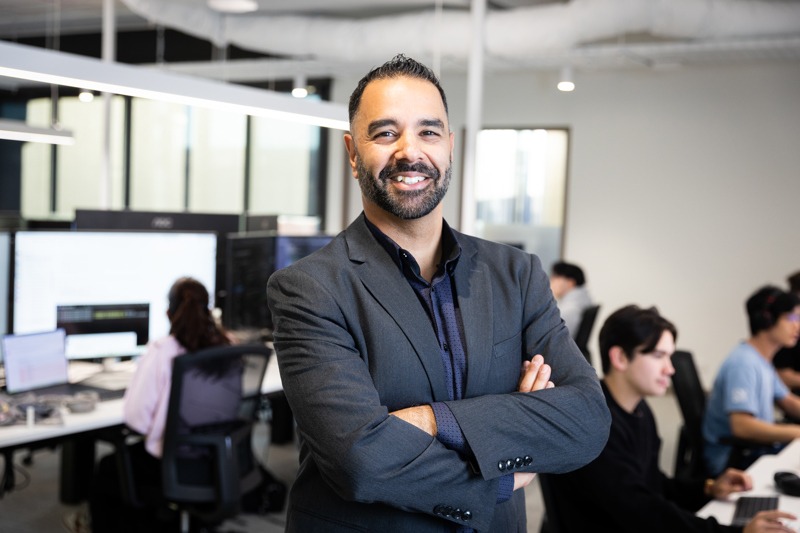
CEO Zubin Appoo delivered the eulogy for the traditional developer role during a high-stakes call with analysts. "I am prepared to say this clearly: the era of manually writing code as the core act of engineering is over," Appoo stated. He described an inflection point where software development is no longer about human endurance, but about managing swarms of AI agents. According to Appoo, complex projects that previously required six or seven months of manual labor can now be finalized in a single day.
This isn't just a cost-cutting measure for a struggling firm; it is a fundamental redesign of the software business model. WiseTech is pivoting away from the traditional "seat-based" SaaS pricing, where revenue is tied to the number of human users, and moving toward transaction-based billing. This protects the company’s bottom line as AI tools reduce the headcount required by their own customers. If their clients need fewer humans to run their logistics, WiseTech ensures it still gets paid for the value the automation provides.
The cuts will hit the product development and customer service departments hardest, with teams expected to be slashed by up to 50%. The primary victim of this consolidation is E2open, the US-based cloud firm WiseTech purchased for $2.1 billion just last year. By automating the integration and support functions of its new acquisition, WiseTech aims to strip the cost base bare while maintaining its target EBITDA margins of 40% to 41%.
The implications of this move reach far beyond Sydney. For years, the tech industry has treated software engineers as its most precious and expensive resource. WiseTech’s decision suggests that the "moat" of human expertise is evaporating. If a multi-billion dollar logistics firm can replace 2,000 highly skilled workers with algorithms without missing a beat in revenue growth, the rest of the enterprise software world will likely follow suit.
However, analysts warn of a "high exposure window" over the next 18 months. As the veteran engineers who built the original architecture depart, the company will be entirely reliant on AI systems that are still maturing. If the automated code fails to handle the messy reality of global customs and trade disruptions, the cost savings could be erased by operational chaos. For now, though, WiseTech has set a new, colder standard for the AI era: the most valuable employee is the one you can finally afford to delete.


